Servicing South-East Queensland
Concrete Grinding & Surface Preparation Experts
Standards-based grinding and dust-controlled prep for coatings, sealers and polished finishes—done right the first time.
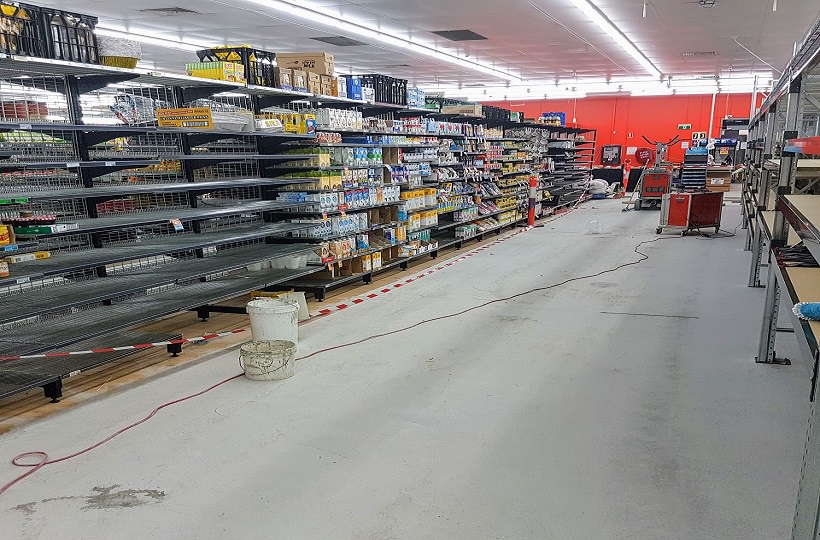
Standards-based concrete grinding and surface preparation across Regional & South-East Queensland. We remove coatings and contaminants, improve flatness, and achieve the correct Concrete Surface Profile (CSP) for epoxy flooring, high-build industrial systems and grind-and-seal finishes. From garages to large commercial floors, our prep ensures reliable adhesion.
Concrete Grinding Matters for Every Floor System
Concrete grinding isn't just a "first step"—it's the decisive factor that gives concrete coatings and flooring glues the ability to bond securely like the manufacturers intended. Every coating, topping and floor-covering system depends on how well the concrete is prepared. The quality of grinding and surface correction is what separates durable, standards-compliant floors from those that fail early and cost more to fix than doing it properly the first time. We're not running a floor grinder over the slab like mowing the grass. We are creating the exact surface texture that supports flooring trades with ready-to-lay prepared concrete floors.
The Cost of Incorrect Preparation
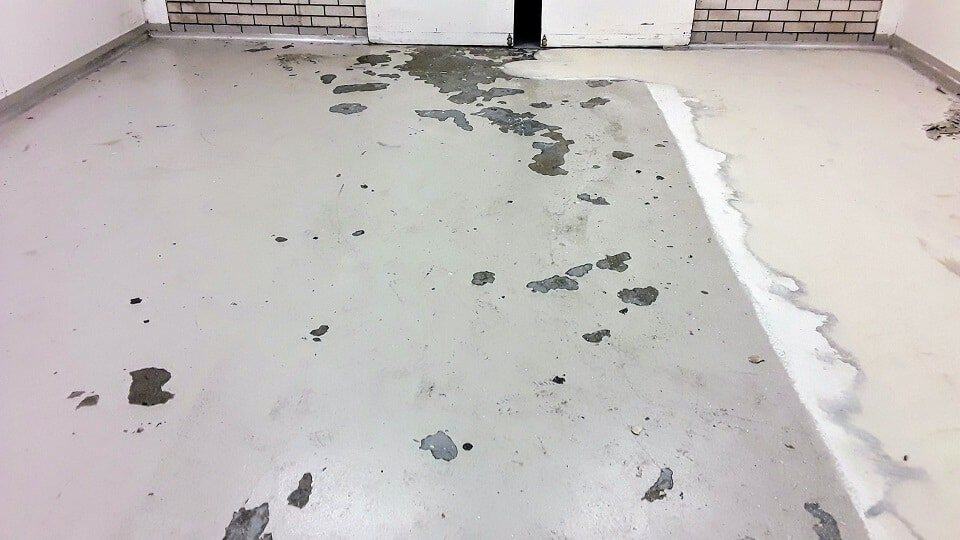
When surface grinding is done poorly or skipped, coatings don't stand a chance. Re-coating over a failed system might look like a shortcut, but it simply traps the problem underneath. If a coating is peeling, bubbling or lifting, it usually means the concrete never had the texture or profile needed for a proper mechanical bond — like trying to paint on glass.
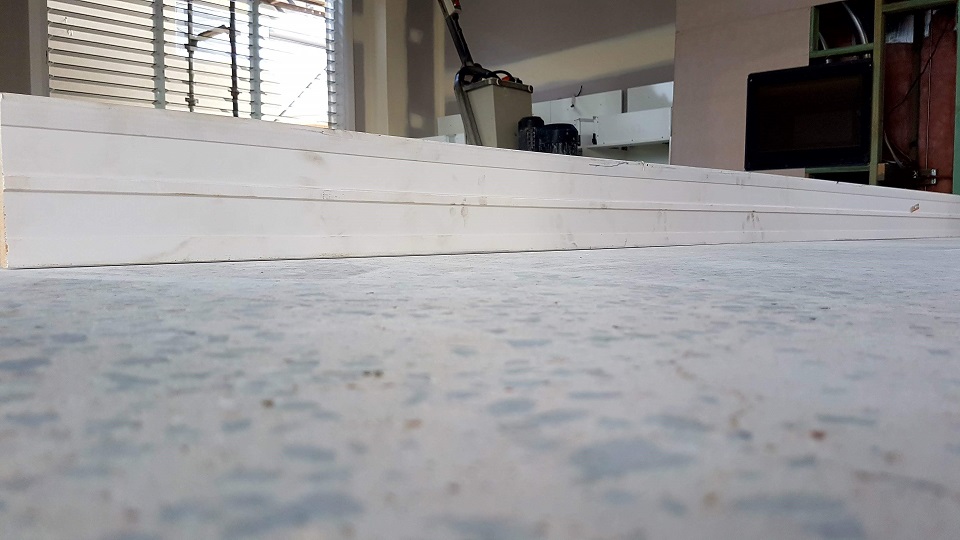
The final floor's appearance and durability always reflect the slab beneath. Floor flatness is a major factor — large-format tiles require a flat, corrected substrate to avoid lipping, and LVT planks or hybrid flooring are just as dependent on a smooth, well-prepared base to avoid visible ridges and telegraphing.
Coatings That Peel or Blister
The Issue: Garage epoxy peeling under car tyres and roller door openings, warehouse coatings blistering where forklifts travel, or shop floor coatings looking tired after a few months.
The Fix: Proper grinding removes contaminants (floor glues, floor sealers, weak laitance) and creates the mechanical "key" coatings need to grab. If the surface isn't prepared right, no coating — cheap or expensive — will bond long-term.
Uneven Floors & Lippage
The Issue: High spots at slab joints, dips near drains and rough transitions that cause trip hazards, make vinyl floors ripple, or stop tiles sitting flat.
The Fix: Precision grinding reduces high spots and improves flatness. For tiles, vinyl planks and hybrid flooring, flatness matters as much as texture. Corrected substrates deliver better finishes and longer-term ROI.
Leftover Glue, Paint & Old Coatings
The Issue: Tile adhesive, carpet glue, failed epoxy, or old paint contaminating the slab. New flooring installed over this mess fails quickly.
The Fix: Mechanical grinding strips contamination completely—no chemicals, no shortcuts. The new floor system gets clean, profiled concrete that's ready to bond.
The Long-Term Reality
Investing in proper floor preparation is an insurance policy for the entire floor. The alternative — premature coating failure, hollow-sounding areas and full removal to start again — is always way more expensive than doing the preparation and installations correctly from the outset.
Quality over shortcuts. If the expectation is a premium finish, then standards-based floor preparation backed by 30+ years of field experience is the only reliable way to achieve long-term results.
See where we work →What We Use Floor Grinding For
Every resin, polished or tiled floor relies on a correctly prepared concrete base. Our grinding and preparation systems deliver the Concrete Surface Profile (CSP) each finish calls for — so primers, adhesives and sealers bond properly and perform over time.
Grind & Seal
- Cost-effective internal concrete finish
- Choice of matte, satin or higher sheen
- Fast turnaround for renovations and make-goods
- Well suited to garages, showrooms and storage
Polished Concrete
- Full mechanical refinement (Superfloor-style)
- High durability with low maintenance needs
- Ideal for residential, retail and commercial spaces
- Improves light reflectance and dust control
Epoxy & Flake Systems
- 100% solids, water-based and polyaspartic options
- Slip-resistant textures available where required
- Industrial-grade chemical and wear resistance
- Ideal for garages, workshops and food-prep areas
We’ll recommend the right system based on the required CSP range, traffic type and environment.
All grinding and sealing is completed by QBCC-licensed trades using H-class dust control and HEPA extraction.
The Concrete Grinding Process – Step by Step
Professional concrete grinding follows a defined methodology – assessing the slab, selecting the right equipment and achieving the specified Concrete Surface Profile (CSP) so the new floor system performs as intended.
Floor Assessment & Planning
We begin by assessing the existing slab and confirming what is required for the finish you intend to install. This includes checking for contaminants, concrete hardness, required CSP range, flatness tolerance, moisture risk and practical site constraints.
- Existing condition, coatings and contaminants
- Concrete strength, hardness and flatness requirements
- Required CSP profile to suit the nominated system
- Moisture testing and risk assessment (as applicable)
- Access, power supply and staging for the works
Equipment Selection & Setup
We match machinery, tooling and dust extraction to the required outcome – not the other way around. The objective is to achieve the specified CSP range and flatness while controlling dust and protecting the building.
- Diamond Grinding (CSP 1–3) — grind-and-seal, thin-build epoxies, polish preparation
- Shot Blasting (CSP 4–6) — high-build epoxy, industrial resin systems, contamination removal
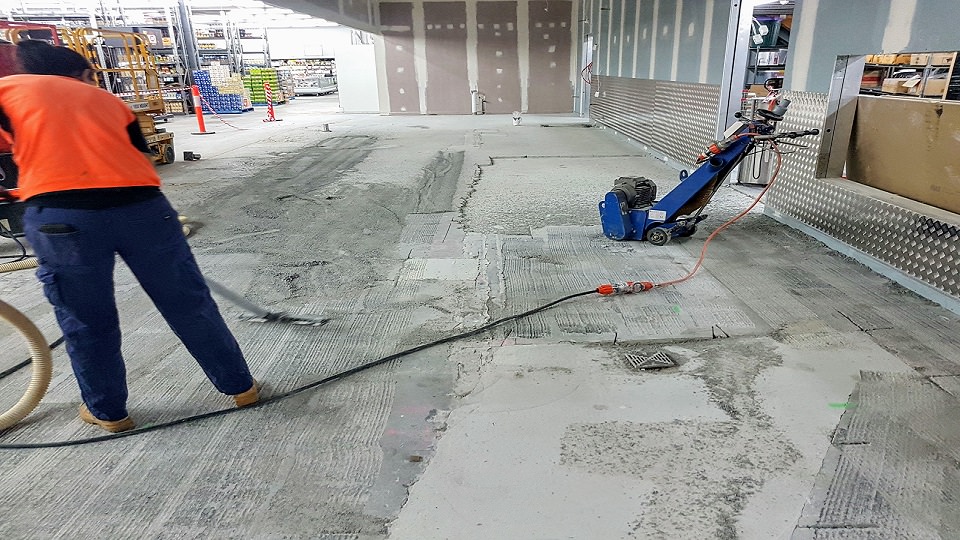
- Scarifying (CSP 7–9) — heavy industrial builds, thick coating removal, severe degradation
- Planing — significant height reduction and major level corrections
Progressive Grinding & Profiling
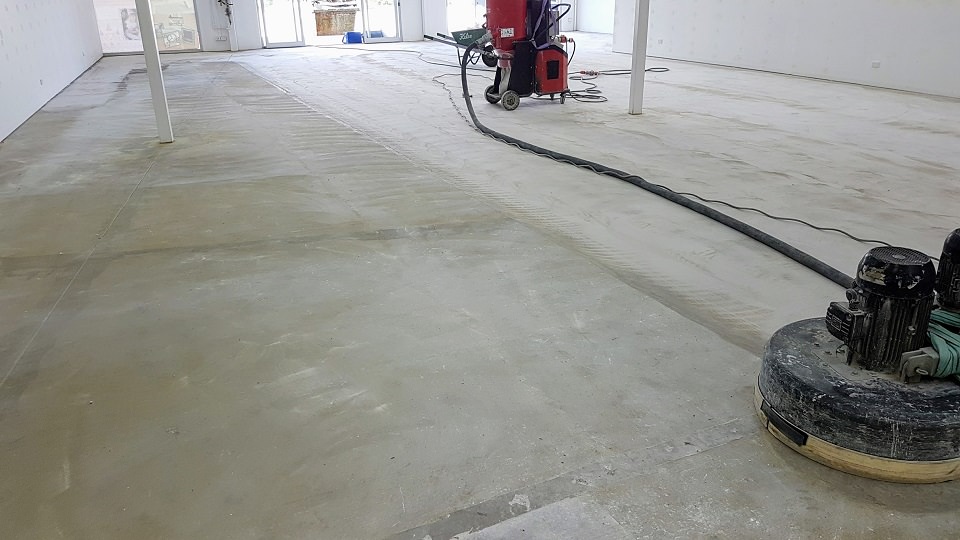
Controlled passes are made using the selected tooling sequence to achieve a uniform profile and flatness. Our focus is presenting the substrate to Australian Standards and the manufacturer’s specification – from super-flat for tiles and LVT through to the correct CSP range for epoxy, flake and industrial resin systems.
Dust Control & Air Quality
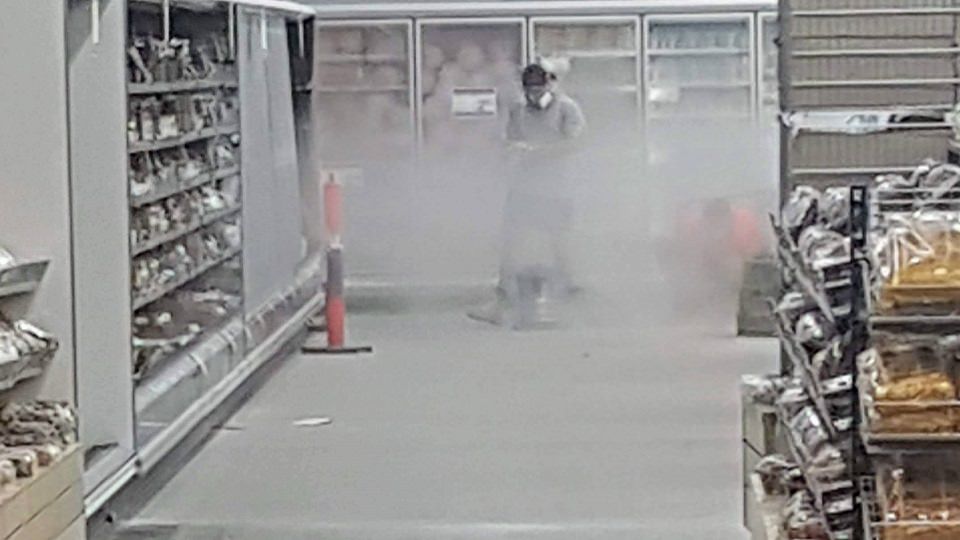
H-class HEPA extraction is paired with each grinder based on airflow requirements, not just filter labels. For indoor works we can also deploy portable air cleaners (up to ~2000 m³/h) to manage airborne dust and keep conditions safer for other trades and occupants.
Final Checks & Handover
We verify the profile, visually inspect for remaining defects and confirm flatness where tiles, LVT or resin systems demand tighter tolerances. Any edge-cases are noted so installers understand exactly what they are bonding to.
Typical Timeframes
- Residential: most garages and living areas completed in 2–4 days, depending on size and condition
- Commercial: staged to minimise disruption; 5–10 days is common for larger tenancies and warehouses
From Morayfield homes to Brisbane warehouses and regional QLD facilities, timelines are scoped and agreed before works commence.
Standards-Based Prep
Substrates are prepared to the CSP range your system requires (CSP 1–9), with edge conditions noted in the scope so there are no surprises.
Dust-Controlled Sites
H-class HEPA extractors and optional air cleaners keep indoor works cleaner, safer and easier for other trades to follow.
Finish-Ready Substrates
Flatness is checked for tiles and LVT; bond-critical areas are verified for epoxy, polyurethane and polished concrete systems.
Real Concrete Floor Problems - Our Solutions
A few recent projects that show how we approach difficult concrete slabs, failed coatings and repair-heavy floors across South-East Queensland.
Workshop Floor – Brisbane North - Lawnton
Situation: 435 m² industrial workshop and office with multiple layers of epoxy floor coatings, surface damage and spalled slab joint.
Problem: Epoxy coatings over worn / peeled floor coats. Heavily worn / damaged areas, peaking at slab joint and heavy casting resin build-up that would clog standard grinding tools.
Approach: We started with PCD tooling to strip the bulk of resin build-up, then transitioned to 30-grit metals to normalise the surface profile and flatten joint ridges.
Outcome: Clean and repaired floor with a uniform CSP 3–4 slab ready for our hi-build roll-coat epoxy application system with no telegraphing of damage and repairs.
DIY Epoxy Coating Failure – Moreton Bay Garage
Situation: Double garage floor not prepared correctly, peeling DIY epoxy that started to fail 3 months after being applied .
Problem: Coating was peeling, with contamination and bare patches where hot car tyres had lifted the DIY epoxy film.
Approach: Mechanical removal using PG530 floor grinder, followed surface densification to stabilise weaker garage concrete floor then medium grit diamond grind to CSP 2–3 surface profile.
Outcome: Sound, bondable slab ready to install the new flake flooring system designed to perform, resisitant to UV attack and handle hot tyres and regular vehicle use.
Hollow & Weak Slab Repairs – Sunshine Coast Retail
Situation: Retail refit where sections of the slab sounded hollow and showed signs of floor repair topping failure.
Problem: Localised movement and weak surface meant any new floor system would be at risk of cracking or debonding.
Approach: We marked out and removed loose sections, heavily scarified, primed and back-filled with structural R-4 class repair mortar, then re-ground the entire area back to a consistent level and finish.
Outcome: Stable, repaired surface with verified moisture readings, ready for the new glue down carpet and vinyl plnk flooring system.
Why Preparing Your Floor is Important!
Every high-performance floor system begins with the same requirement: a concrete slab that has been mechanically prepared to the correct profile. Whether the final finish is epoxy, polished concrete, vinyl, tiles or a resin-based system, diamond grinding creates a clean, flat and open surface that allows primers and adhesives to bond the way they were designed to.
Grinding removes weak laitance, old adhesives, contaminants and high spots, while refining the slab to a uniform Concrete Surface Profile (typically CSP 1–3) for most thin-build systems. When this step is done correctly, coatings sit flatter, wear more evenly and are far less likely to peel, blister or delaminate under normal service conditions.
On every project we combine ICRI CSP guidance with the slip and surface requirements of AS/NZS 4586 and other relevant standards. That means the slab is not over-prepared or under-prepared – it is profiled to suit the system being installed, the environment it will operate in and the life expectancy the client is aiming for.
Why Choose Ultimate Floors
Based in the City of Moreton Bay and backed by decades of floor installation and preparation experience, we understand exactly what installers, builders and facility managers need from the substrate. Our work is driven by standards, not shortcuts – getting it right the first time is the expectation, not the exception.
What Sets Us Apart
- Standards-based prep Surface preparation aligned with AS/NZS requirements and ICRI CSP ranges.
- Installer mindset Installers first, grinders second – we prepare floors the way we would want to install over them.
- Fit-for-purpose solutions Preparation tailored to epoxy, flake, tiles, vinyl, polished concrete and industrial systems.
- Trade-qualified Nationally recognised qualifications and extensive on-site experience.
- QBCC licensed Fully licensed and insured under QBCC Floor Finishing – Hard Sector.
- Silica dust control H-class HEPA extraction and dust management on every grinding project.
QBCC (Floor Finishing – Hard Sector) 1115416 • 25+ years in SEQ • Trusted across Moreton Bay, Sunshine Coast & Toowoomba.
Specialised Surface Preparation Equipment
Husqvarna and Blastrac grinding, blasting and dust-control systems selected to meet CSP requirements, air quality and site compliance on every project. We rely on Husqvarna construction equipment for consistent, high-spec concrete grinding performance.
Concrete Surface Profiles (CSP 1–9) for Reliable Floor Performance
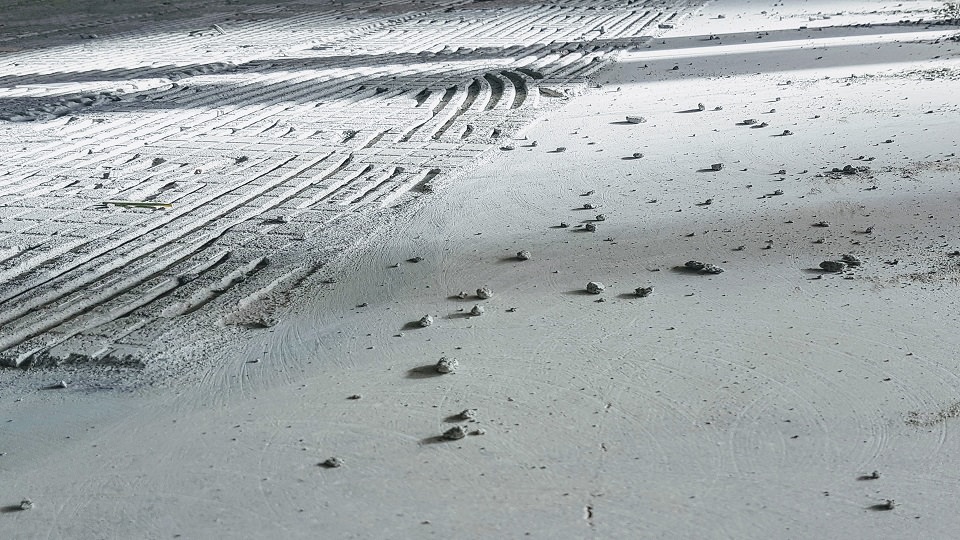
Concrete Surface Profile (CSP) is the texture rating that tells you how smooth or rough the slab must be after grinding, shot blasting or scarifying. Every resin coating, floor adhesive and levelling compound is designed around a specific CSP range. Get that surface profile wrong and even the best products will fail before their time.
We use CSP as the starting point for floor preparation – not the afterthought. Before machines touch the slab, we look at the finished system first (epoxy, vinyl, tiles, timber, grind & seal, honed concrete) and work backwards to the profile that system actually needs.
- CSP 1–3 – tight, refined surfaces for vinyl planks, LVT and polished concrete.
- CSP 2–3 – light texture for garage epoxy and clear grind & seal finishes.
- CSP 3–4 – stronger profile for floor tiles and heavy-duty adhesives.
- CSP 4–6 – shot-blasted surfaces for high-build epoxy and warehouse floors.
- CSP 5–7+ – aggressive profiles for polyurethane cement, moisture barriers and heavy coating removal.
The CSP isn’t a “nice to have” – it’s the foundation that manufacturers, data sheets and Australian Standards such as AS 1884, AS 3958 and AS/NZS 4586 expect before any flooring system is installed.
Need CSP nailed down for your project?
If you’re a builder, installer or specifier who needs CSP requirements in writing, the guides below pull everything together – CSP ranges by floor type, preparation methods and the questions that separate professionals from “she’ll be right” operators.
Concrete Surface Profiles (CSP) – Get Your Reference Guide
Now that you understand concrete surface profiles, use this quick reference guide to see which Concrete Surface Profile each floor type requires. Profiles are achieved using concrete grinding, shot blasting or scarifying in line with manufacturer specifications and relevant Australian Standards such as AS 1884, AS 3958 and AS/NZS 4586.
Download our comprehensive guides on Concrete Surface Profile requirements. View the low resolution versions online or download the quality, all-in-one guide for your records—perfect for sharing with contractors, flooring installers, and your project team.
CSP Requirements Guide
Understanding CSP 1–9, requirements by floor type, and how to qualify professional floor preparation contractors. Includes Australian Standards references.
- ✓ CSP 1–9 scale explained
- ✓ 6 common floor types covered
- ✓ Professional contractor questions
CSP by Floor Type
Quick reference table showing the range of CSP requirements for residential, commercial, honed, grind & seal finishes and specialty flooring systems for quality outcomes.
- ✓ 15+ floor types listed
- ✓ Preparation methods specified
- ✓ Recommended CSP by floor finish
Get both guides in one comprehensive PDF.
Download
Enter your details to download the guide. We'll send a copy to your inbox too.
Download Started!
Your PDF is downloading now. We've also sent a copy to your email.
If the download doesn't start, click here.
Commercial & Residential Concrete Grinding Across South-East Queensland
Professional concrete grinding across Brisbane, Sunshine Coast, Moreton Bay and Toowoomba, with standards-based surface preparation for garages, warehouses and make-good projects across key SEQ regions.
Common Floor Finishes We Prepare With Concrete Grinding
Concrete grinding is the base work before most flooring systems go down. These are the finishes we’re most often preparing slabs for across South-East Queensland.
- Epoxy & resin floor systems
- Protective concrete coatings
- Internal & external floor tiling
- Moisture barriers & waterproofing membranes
- Floor levelling screeds & patch repairs
- Hybrid / floating flooring systems
- Vinyl sheet & carpet installations
- Engineered & solid timber flooring
- LVT & plank-based flooring
Common Concrete Problems We Fix
Before any floor system goes down, we fix the concrete issues that cause failures. Here's what we handle across Moreton Bay, Brisbane North, Sunshine Coast, and Regional Queensland. Concrete floor levelling, patching and moisture preparation carried out to suit specified coatings and underlayments, using systems compatible with Mapei flooring systems and other leading industrial resin products.
Remove Tile Adhesive & Glue
Tile glue, vinyl adhesive, carpet backing—mechanically stripped from the slab. Diamond grinding removes adhesives completely, leaving concrete ready for AS 3958-compliant tile installation.
Strip Failed Epoxy Coatings
Garage flake floors, warehouse epoxy coatings, retail flooring systems — with one of our planetary floor grinders, we remove failed epoxy and polyurethane finishes for 100% tenant ready shop floor.
Fix Uneven Concrete Floors
High spots at joints, dips, rough transitions—precision grinding reduces slab joint lippage in warehouses for forklifts and pallet jack transit. Difficult concrete alterations to get Australian Standards flatness for tiles and vinyl has its challenges.
Remove Oil Stains & Contaminants
Oil on garage floors, grease in workshops, sealers on driveways — grind deep to expose clean, bondable concrete. FYI - Deep oil contamination requires more intense processes to correct.
Coating Removal (All Types)
Paint, sealers, curing compounds, old membranes—whatever's on the slab, we remove it. PCD tooling strips thick rooftop waterproofing membranes. Grinding corrects high spots. Scarifying creates CSP 6-8 profiles for heavy-build systems.
Warehouse Floor Grinding
Forklift traffic areas, expansion joints, industrial coating prep—heavy-duty commercial floors deserve a heavy duty resin system after repairs and thorough floor preparation.
Garage Floor Preparation
Epoxy systems, flake flooring, polyaspartic coatings—we prep garage slabs to the right surface profile so our coating installations stay well bonded for years to come.
Retail & Showroom Floors
Polished concrete prep, grind-and-seal systems, coating removal—adaptive for minimal disruption, keeping your floor upgrade on schedule and within scope.
Weak Laitance & Dusty Concrete
New slabs with weak top layers—grind off to expose sound, structural concrete. Dusty concrete—we treat with with various densifiers for a permanent solution.
Moisture Barrier Preparation
Damp proof membranes, epoxy moisture barriers, waterproofing systems—surface profile to manufacturer specs for a stick like "ÿou know what" to a blanket adhesion.
Floor Levelling Prep
Install self-levelling screeds, toppings, self-level epoxy— we take care of floor joints and crack stitching repairs, complete the floor machine prep work to various surface profiles.
Timber, LVT & Vinyl Prep
Prepare concrete, install floor levelling to 3mm x 3m for direct-stick timber (AS 2796), vinyl planks (AS 1884), LVT—smooth, flat, dust-free surfaces to Australian Standards specifications.
Not listed? If it involves one of our floor preparation services, or a complete turn-key, traffic ready floor—optionally, we can handle it. Get a quote or call us to discuss your project.
What Comes After Floor Grinding
With the substrate prepared to the specified CSP, choose the finishing system that suits performance, appearance and maintenance needs.
Grind & Seal
Budget-friendly concrete finish using penetrating or film-forming sealers. Great for garages, storage and retail back-of-house.
- Matte to gloss finishes
- Optional fast cure turnaround
- Recoat cycle typically 2–5 years
Polished Concrete
Mechanically refined surface for premium residential and commercial floors. High durability with low ongoing maintenance.
- Nil to full aggregate exposure
- Gloss to satin process
- Excellent wear resistance / ROI
Epoxy & Resin Systems
Commercial-grade coatings for workshops, warehouses and plant rooms. Slip-ratings and chemical resistance to spec.
- High-build & decorative options
- Slip resistance to AS/NZS
- Chemical & impact resistance
Ready to plan your floor?
Send a quick brief with area size, current surface and desired finish. We’ll recommend the right prep and system.
Concrete Grinding Project Galleries
Explore residential, commercial, and technical floor preparation work completed across South-East Queensland.
Why Standards & Quality Matter
Good equipment and skill alone aren't enough—floor preparation must follow relevant Australian Standards. Without this, both the installer and the client take on unnecessary risk.
Australian Standards Compliance
All surface preparation is carried out to the requirements of AS 1884 (flooring installation) and AS 3958 (industrial coatings and surface prep). These are not suggestions—they define what an acceptable, fit-for-purpose concrete substrate must look like.
Our experience ensures the prepared floor matched your intended finish, whether polished concrete, epoxy, vinyl, tiles or high-build industrial coatings.
The Professional Difference
With more than 30 years of specialised flooring experience, our concrete grinding and floor alteration methods are proven. We understand how surface contamination, moisture and poor slab quality impact the success of a floor system—and we prevent these issues before they become costly defects.
Transparency About Costs
Proper dust control, professional equipment and standards-based preparation are built into every job. This is why our rates may appear higher compared to operators using low-end gear or cutting corners. We quote for the work required to achieve the agreed outcome—nothing less.
How Work Is Quoted
We're often asked, "How much per square metre to grind concrete?" The truth is that most projects can't be priced by a simple m² rate:
The result is a detailed estimate that guarantees an as-agreed outcome. No surprises, no shortcuts, and no excuses—just professional, standards-based concrete preparation delivered by trained flooring specialists.
Ready to Discuss Your Concrete FLOORING Project?
If you've read this far, you now understand:
- What professional concrete grinding involves
- Why proper surface preparation determines coating success
- Our Australian Standards-based processes we developed
- The equipment and expertise required for quality results
- Why professional preparation costs more (and why it's worth it)
You're ready to discuss your project with our regional service team.
We work with informed clients who value proper preparation and understand the difference between professional standards-compliant floor preparation and cheaper alternatives.
Brief us on your proposed floor finish and situation. Select your region below for minimum project requirements, coverage areas, and to book a technical site assessment.
Where We Work
From Brisbane to regional Queensland and northern NSW — check if we service your area and see minimum project sizes.
Click to check your region and see eligibility requirements
How to use this map:
- Click any region to see services available and minimum job sizes
- Different colors indicate different service zones and rates
- Hold Alt/Option + Click to zoom into a specific region
CONCRETE GRINDING FAQ'S
Concrete Grinding — Frequently Asked Questions
What is concrete grinding?
When do I need concrete grinding?
How is grinding different from polishing?
Which CSP profile do I need?
CSP 4–6: Shot blasting — for high-build resin floors
CSP 7–9: Scarifying — for thick coatings or damaged slabs
Is concrete grinding dusty?
How long does grinding take?
• Single room (20 m²): 2–4 hours
• Double garage (36 m²): 3–6 hours
• 100 m² interior: 1 day
• Large commercial: 1–3 days
Time varies by coating thickness, concrete hardness and number of passes.
Can grinding make my floor level?
Should I grind the floor myself?
What comes after grinding?
• Grind & Seal
• Polished Concrete
• Epoxy or Resin Systems